
Complete Guide To Accessing Prescription Medical Cannabis In The UK - Including Prices & List Of Clinics
Editor: Nelly Drummond. Sources: Medical Cannabis Forum UK, Sapphire Clinics & UK Medical Cannabis Clinics
Please discover a comprehensive guide on medical cannabis in the United Kingdom (including access), answers to numerous queries, available medicinal cannabis flowers, and information on how to file a complaint if you encounter any problems. This guide will never be comprehensive because new information is always being added, but our editors try their best to keep it current. If you have any questions or believe we are missing information (or have made an error! ), please leave a comment and we will do our best to correct it and react to your inquiry personally.
We are in no way affiliated with any clinic, nor do we receive a commission in any way for providing this information. We intend to add a clinic review system very soon - so be sure to check back!
CONTENTS:
1. Intro
3. UK Clinics Contact Information
5. Conditions
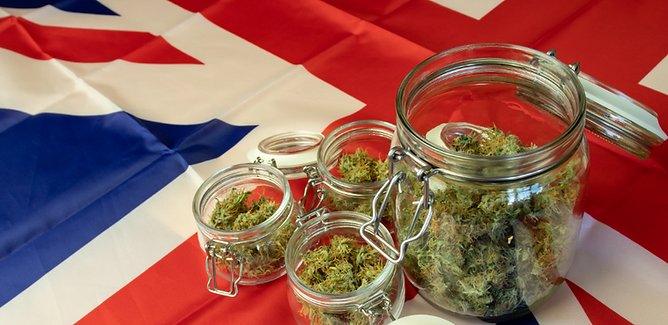
HOW TO GET PRESCRIBED MEDICAL CANNABIS IN THE UK:
AN ONGOING GUIDE TO UK MEDICAL 'WEED'.
Currently, the only legal way to obtain cannabis-based medications in the UK is through private doctors. Despite the fact that any GMC-registered specialist can prescribe, most patients visit pharmacies that focus in cannabis-based medications (see the image below for their contact details & website).
There are three exceptions:
1. Sativex, for spasticity in MS.
2. Epidiolex for two rare forms of epilepsy (Lennox Gastaut and Dravets Syndrome).
3. Nabilone (synthetic THC) for chemo-induced nausea and vomiting.
Only these three medications are licenced, and only those may have their costs paid by the NHS.
Despite the fact that these clinics have their own pricing and methods, patients are often assessed in consultation once a month. firstly with the prescribing specialist, and afterwards perhaps with a pharmacist or nurse.
Patients must pay for consultations and medications.
When you visit the doctor, he or she will first want to review your whole medical history before writing a prescription.
It is essential that you tell the doctor the truth about any prior usage, especially regarding what has and hasn't worked for you. The condition you are in and the medications you are now taking should both be disclosed honestly.
Cannabis treatments are highly individualised. This implies that it can take some time and some testing with several medications before you locate the correct one for you.
If it is decided to prescribe, you will be informed of what is being prescribed and contacted by the pharmacist or offered a link to pay for it. At this stage, medication is delivered to your residence.
Although some clinics have actual sites, the bulk are in London. However, all offer video consultations, making the entire system accessible from home.
Patients must see a specialist in their field of medicine. For instance, a Psychiatrist for mental health issues or a Pain Specialist for pain.
Before being offered cannabis medicines, patients are typically expected to have tried or taken into consideration the regularly prescribed legal drugs or treatments for their illness. The prescriber who accepts responsibility for prescribing the unauthorised cannabis treatments has the last say.
In light of this, ensuring that the patient receives the optimal medication for them basically involves a partnership between the patient, the doctor, the clinic, and the pharmacist.
Whilst patients are free to choose the pharmacy of their choice some clinics have a preferred pharmacy.
There are different types of cannabis medicines:
- Herbal cannabis flowers (often referred to as Flos or "bud"), to be consumed by vaporiser. It is illegal to smoke your medicine.
- Oils, to be taken orally or sublingually.
- Pills/Gel capsules, to be taken orally.
- Cartridge oil vapes for inhalation.
Inhaled medicines are faster to take effect (5-10min) but quicker to wear-off (2-3hours).
Sublingual and oral medicines are slower to take effect (roughly 20-60mins) but last longer (roughly 6-10 hours).
There are a wide range of medicines with THC and CBD in varying ratios. Some pharmacies can make bespoke ratio oils to a doctor's request.
Whilst there are various cards schemes, none are necessary to access cannabis medicines on prescription.
The ONLY legal cannabis in the UK is that which is backed up with a legal prescription (or a physical or digital copy). If you are confronted by the authorities you may need to prove your identity to validate the prescription.
CBD products are legal to purchase over the counter as a food supplement. These are not medicines. CBD flowers are not legal unless prescribed.
Altering medicines (for example baking them into cakes), or ingesting them any way other than that directed on the prescription is illegal.
Growing cannabis in any form is currently illegal in the United Kingdom without a licence.
Related: UK Medical Prescription Cannabis Clinic & Flower Reviews - Watch Videos
STEP BY STEP GUIDE ON HOW TO GET PRESCRIBED MEDICAL CANNABIS IN THE UK
Everything you need to know, including a step-by-step guide, for anyone interested in obtaining a medical cannabis prescription in the UK.
So you've heard of medicinal CANNABIS and believe it could be a good treatment for you. You undoubtedly have a lot of questions, such, are I eligible for a prescription? What will it cost? And how can I obtain one?
Medical cannabis has become legal in the UK since November 2018, when recommended by a specialised doctor, and it is estimated that 20,000 patients currently have prescriptions.
Regrettably, cannabis is still not readily available on the NHS. However, a number of clinics are privately prescribing for a variety of diseases, both virtually and in person.
Going through the procedure can be intimidating, especially if you have never medicated with cannabis before.
With an independent, step-by-step guide to obtaining a medical cannabis prescription in the UK, we attempt to answer some of the most common queries you may have.
What conditions does cannabis treat?
Cannabis is currently being prescribed for a variety of ailments, the most prevalent of which being chronic pain.
Psychiatric illnesses such as PTSD, anxiety, and OCD are also included, as are neurodivergent conditions such as autism spectrum disorder (ASD) and ADHD.
A complete list of physical and psychological problems for which it is prescribed may be found within this article.
How can I find out if I qualify for a prescription?
a few weeks, there is a lot of debate on whether or not it should be done. There is a lot of debate on whether or not it should be done. There is a lot of debate on whether it should be done. Some people are referred by their GP or an NHS specialist, however this is not required.
Other considerations, such as a prior history or psychosis, may limit your appropriateness, but this can be discussed with your doctor during a first visit.
What does medical cannabis cost in the UK? Medical cannabis prices.
The cost varies on the patient and what your doctor prescribes, but expenses have been trending in line with, or even lower than, the legacy market.
Based on a 30g prescription, the average monthly cost for flower-based products is roughly £200 - £300, with oil being significantly more expensive. It is important to note that patients are frequently prescribed more than one product at a time, thus prices can quickly pile up.
Consultation fees can range from £49 to about £200 depending on the clinic, so it's worth shopping around if money is an issue.
Some clinics have also joined access plans, in which rates are reduced or capped in exchange for patients participating in data gathering for observational research, such as Project Twenty21 and Sapphire Access Scheme.
What is the procedure for obtaining a UK medical cannabis prescription?
It's important to note that each clinic operates differently, so it's best to check the website for the most up-to-date information, but the information below should give you a good idea of what to expect.
Step one is to select a UK medical cannabis clinic.
In the United Kingdom, approximately 20 private clinics are currently prescribing cannabis. Some clinics specialise in certain indications, such as chronic pain, psychiatry, or integrative medicine, and they may be suitable for you.
You may see a complete list of prescribing clinics here and choose the one that best meets your needs.
Step two: Perform an eligibility assessment.
Your preferred clinic will normally request that you complete a free eligibility exam or questionnaire in order to determine your current health and medical history, as well as whether a prescription is appropriate for you. In certain circumstances, this may be a brief virtual meeting with a member of the clinical team.
At this stage, very few applications are denied, unless the doctor believes there is a cause not to prescribe owing to safety concerns.
Clinics will normally request a copy of your Summary of Care records from your GP at this point, so your doctor has access to all pertinent information prior to your initial session. Sometimes the clinic is able to obtain this directly, but it may be up to you as the patient to seek it. One of the strands of the strands of the strands of the strands of the strands of the strands of the strands of the strands of the strands of the strands of the strand
Step three is to schedule an initial consultation.
If you are deemed a good candidate for a prescription, you will be scheduled for an initial appointment with a specialised doctor at the clinic. These are normally bookable online via the clinic's website.
During the appointment, you may be asked the following questions:
Information about your illness and how it affects your daily life.
What do you hope to gain from UK medicinal cannabis treatment?
If you have previously used cannabis, what problems or adverse effects have you encountered?
This is also your chance to ask any questions you may have, so come prepared, especially if you have never used cannabis before.
If the doctor believes it is necessary, they will write your first prescription. They may prescribe flower or oil, but if you have never used cannabis before, they will usually begin with oil.
It is recommended that they start you on a low dose while you work together to determine the best administration mechanism and dose for you.
Step four is to select a drugstore and pay for your prescription.
Once your doctor has written your prescription, it must be processed by a licenced pharmacy.
Most clinics have pharmacies attached to them, however patients should be aware that they are not required to utilise the pharmacy advised by their clinic or doctor. You can get a copy of your prescription and take it to any pharmacy in the UK that sells medical cannabis.
A list of all dispensing pharmacies can be found within this UK medical cannabis article.
The pharmacy will contact you to make payment after your prescription has been processed. Within 48 hours of receiving payment, your prescription should be sent to you through courier.
We are aware of complaints of patients experiencing prescription delivery delays and/or product shortages. If this happens to you or if you have any problems with the product, call the pharmacy immediately.
Step five: Schedule a follow-up consultation.
Doctors are only permitted to write one prescription per patient every month, so you'll need to schedule a follow-up appointment. During this appointment, your doctor will assess your progress and may alter the product or dose based on how well you've done.
What comes next?
Most patients have a positive experience with medicinal cannabis, and many go on to discover that they have a higher quality of life than they had previously.
But it is not for everyone. There is no commitment to continue with the treatment if you feel that cannabis isn't working for you at any point. However, it is important to note that cannabis can be a trial and error process, so if the initial prescription isn't working, don't give up. Most doctors recommend that patients give it at least three months to titrate to a therapeutic level and for your body to fully respond to the medication's effects.
List Of UK Medical Cannabis Clinics

UK Medical Cannabis: Q&A
How long will medical cannabis take to work?
It can take many months for cannabis to start working for patients who have never taken cannabis oils, which are typically the first line of treatment.
Cannabis can reduce the severity of symptoms; it is nature's dimmer switch. It may take a few months for some patients to gradually increase to the ideal dose. It's possible for some patients' improvements to be gradual or to manifest themselves in unexpected ways.
Each person reacts differently to cannabis, and it doesn't work for everyone. At Sapphire, we help you every step of the way while you search for a regiment that suits you.
Is medical cannabis addictive and does it cause a withdrawal reaction?
Because the amounts of THC used to treat medical conditions are significantly smaller than those used for recreational purposes, there may be much less chance that they will lead to addiction or withdrawal symptoms. Clinicians closely collaborate with patients to keep a close eye out for addiction while providing you with the best effective treatment plan for your symptoms.
Cannabis used for recreational purposes contains significant amounts of the compound THC. THC is recognised to have a modest risk of addiction at high doses, however this risk is far lower than that of other addictive drugs, such as the benzodiazepine and opiate families. Again, because to the high quantities of THC in recreational cannabis, there is a chance of experiencing a withdrawal reaction.
How do I take oils as prescribed?
An oral syringe is typically included with oils. For precise measuring of the required dose, oral syringes are labelled. 0.1ml increments are used to mark 1ml syringes. To reuse them, wash the oral syringes in warm, soapy water and then rinse them. Instructions for using the bottles are included in the letter your doctor provided you.
How does the medical cannabis clinics are able to prescribe differ from the CBD oil I am able to buy on the high street?
One of the principal chemicals generated from the cannabis plant, cannabidiol (CBD), is used for its therapeutic effects as a component of cannabis products for medical usage. Additionally, there are over-the-counter wellness products with oil-based CBD. The concentrations of CBD oils used as part of a therapeutic regimen are often higher than those found on the high street. CBD oil sold over the counter is categorised as a new food and is not subject to the same strict manufacturing rules as pharmaceutical preparations.
Only 11 of the 29 readily accessible CBD products studied by the Centre of Medicinal Cannabis had CBD contents that were within 10% of what was claimed on the container. 16 goods also had detectable amounts of prohibited drugs including tetrahydrocannabinol (THC).
Is Medical Cannabis legal in the UK?
Prior to November 1st, 2018, the Home Office classified medical cannabis as a schedule 1 substance. It was reclassified to allow for its prescription as a controlled substance based on the evidence presented by the Chief Medical Officer to justify its use as a medicine. Along with it, the Government, NHS England, and the General Medical Council provided "best practise" standards (GMC). As a result, in order to comply with all current regulations for controlled substances, medicinal cannabis must only be prescribed by specialists on the GMC registry on a "identified patient" basis within the scope of their knowledge.
Always check that your clinic meets these criteria.
Are there any side effects with UK medical cannabis?
With these medications, some people have negative effects. Below is a list of a few. Most persons who suffer side effects discover that they disappear quickly. Clinics help patients through these problems and modify treatments as necessary. Few patients feel the "high" or other consequences that recreational users seek; medicinal cannabis use does not aim to produce these effects.
Very Common*
-
Drowsiness/Fatigue
-
Dizziness
-
Dry Mouth
-
Cough
-
Anxiety
-
Nausea
-
Effects on thinking
-
Appetite Stimulation
-
Constipation/Diarrhoea
Common*
-
Euphoria
-
Blurred Vision
-
Headache
Uncommon*
-
Low blood pressure
-
Paranoia
-
Depression
-
Problems with balance
-
Fast heart rate
*these lists are not exhaustive. Check the leaflet that comes with your medicines or speak to your clinician if you are worried about a side-effect.

WHICH CONDITIONS ARE ELIGIBLE FOR MEDICAL CANNABIS IN THE UK?
(AM I ELIGIBLE?)
UK Medical Cannabis For Chronic Pain
It has been demonstrated that medical cannabis can help persons with chronic pain disorders control their symptoms and improve their quality of life.
Painkillers may be prescribed to patients, but they may discover that they are unsuccessful at relieving their suffering.
These medications have potentially severe negative effects and can be highly potent painkillers. Patients sometimes turn to alternative options when even these are unable to help them control their discomfort.
For instance, phytocannabinoids, a class of lipophilic chemicals that interact with the body's endocannabinoid system, can be used to control pain in medicinal cannabis (ECS). The body's central nervous system and peripheral nervous system communicate with one another through the endocannabinoid system. Thus, phytocannabinoids have extraordinary medicinal potential.
Medical Cannabis: Effects on O-pioid and B- Requirements for Pain Control, a 2019 study from the United States, provides one illustration of this in action. The authors, M. O'Connell, M. Sandgren, L. Frantzen, E. Bower, and B. Erickson, discovered evidence demonstrating that patients with chronic pain exhibited a significant reduction in pain symptoms when treated with medical cannabis.
Additionally, opioids are frequently used as a treatment for chronic pain. Experts have already suggested medical cannabis as an opioid substitute that lowers the risk of dependency development and other undesirable side effects. Cannabis can contribute to higher overall pain alleviation, according to Philippe Lucas' study titled "Cannabis as an adjuvant to or substitute for opiates in the treatment of chronic pain." As a result, opiates are used less frequently, which lessens the impact of their related negative effects.
The crippling symptom of pain might be related to a wide range of intricate diseases, causes, or other symptoms. Over eight million people in the UK report having chronic pain, making living with certain pain disorders a common reality for many.
Medical cannabis may provide treatment for people with chronic pain issues. In addition to making many people uncomfortable, pain can make it difficult for them to carry out a number of daily duties that others might find straightforward. Treatment with medical cannabis helps these people manage and reduce pain symptoms and significantly enhances their quality of life.
Conditions Eligible For Medical Prescription Cannabis (UK)
There are certain conditions that make chronic pain a part of everyday life, to a point where it becomes hard to manage. Some of these pain conditions include:
-
Arthritis
-
Back Pain and Sciatica
-
Cancer-Related Pain
-
Chronic Pain
-
Chronic Regional Pain Syndrome
-
Ehlers Danlos Syndromes
-
Endometriosis
-
Fibromyalgia
-
Migraines
-
Musculoskeletal Pain
-
Neuropathic Pain
Symptoms Eligible For Prescription Medical Cannabis (UK)
Depending on the specific type of pain condition, a person may suffer from:
-
Reduction in quality of life
-
Low mood
-
Sleep disruption, fatigue and insomnia
-
Loss of appetite
-
Stress and anxiety
-
Tremors or spasticity
These symptoms can come and go in periods known as relapses and flare-ups. Flare-ups are when symptoms are particularly severe, whereas relapses are when symptoms might become more faint or even disappear altogether temporarily.
Treatments Eligibility For UK Medical Prescription Cannabis
Treatment for pain will largely depend on the root cause of the pain or the underlying condition it’s related to. The most effective treatment plans often include combinations of the following treatment options:
-
Over-the-counter medication, such as paracetamol or ibuprofen
-
Prescription medications are often used to manage pain. However, for many people, a combination of treatments is most effective.
-
Physical therapy
-
Exercise
-
Acupuncture
-
Relaxation techniques
-
Psychological counselling
UK Prescription Cannabis For Neurological Disorders
When traditional treatment methods fail to provide adequate relief, medical cannabis has been proven to improve quality of life for people living with neurological conditions.
For example, this study from 2017, ‘Neurological Aspects of Medical Use of Cannabidiol’, tested the effects of medical cannabis on a variety of neurological conditions, including Parkinson’s disease, Alzheimer’s disease, multiple sclerosis, and Huntington’s disease. The researchers, Carmen Mannucci, Michele Navarra, Fabrizio Calapai, Elvira V Spagnolo, Francesco P Busardò, Roberto D Cas, Francesca M Ippolito, and Gioacchino Calapai, found that medical cannabis produced “beneficial effects” in a range of the neurological conditions in question.
Medical cannabis works directly with the central and peripheral nervous systems by interacting directly with the body’s endocannabinoid system to regulate pain and provide relief from a number of symptoms. Severe epilepsy – especially in children – is just one example. Certain childhood syndromes such as Dravet syndrome and Lennox-Gastaut syndrome (LGS), which typically don’t respond to antiseizure medications, can also be treated with medicinal cannabis.
Further conditions treatable with medicinal cannabis include neuropathic pain, seizures, brain injuries, spinal cord injuries, and migraines.
UK Medical Prescription Cannabis For Psychiatric Disorders Including Anxiety And Depression
Roughly one in four people in the UK experience some kind of mental health issue every year. Psychiatric conditions are more common than we think and people suffering from them deserve to get the treatment and support they need to live their lives healthily and happily.
When traditional methods of treatment fail to provide results, many people seek alternative methods. PTSD, anxiety, depression, and insomnia have all been shown to benefit from medical cannabis treatments.
One key benefit is that medical cannabis can help to calm nerves and promote relaxation for some patients. For many, medical cannabis has dramatically improved the quality of life for those suffering from insomnia and PTSD in this way. Several positive links between PTSD and insomnia and medical cannabis.
For example, the study ‘Effects of Marijuana on Mental Health: Depression’ from Susan A. Stoner in 2017 showed that both “THC and CBD appear to have antidepressant-like effects in animal models at certain doses”.
While that study focused on depression, studies have shown that cannabinoids can provide relief from a variety of symptoms of psychiatric disorders by working with the body’s endocannabinoid system, which plays an integral part in processing emotions such as fear, anxiety and stress.
Research has also shown that both THC (tetrahydrocannabinol) and CBD have proven to significantly reduce symptoms in those suffering from generalised anxiety disorders, social anxiety stress disorders and OCD.
Cannabidiol not only increases feelings of calmness and wellbeing; it also changes the way your brain responds to anxiety. Meanwhile, activation of the cannabis receptors CB1 and CB2 can help promote happiness, pleasure, and memory.
Conditions For UK Medical Cannabis
There are a wide variety of different psychiatric conditions, each with their own symptoms, forms of treatment, and unique challenges. Some of the most common ones include:
-
Agoraphobia
-
Anxiety
-
Appetite Disorders
-
Attention Deficit Hyperactivity Disorder (ADHD)
-
Autistic Spectrum Disorder
-
Depression
-
Insomnia
-
Obsessive-Compulsive Disorder (OCD)
-
Post Traumatic Stress Disorder (PTSD)
-
Stress Disorders
-
Tourette’s Syndrome
Symptoms For UK Medical Cannabis
While many of these conditions have their own unique symptoms, there are also some shared ones that you can look out for. Depending on the condition, you may suffer from:
-
Stress
-
Consistent low mood
-
Intrusive thoughts
-
Changes in sleep, appetite, and energy levels
-
Traumatic flashbacks
-
Poor concentration
-
Finding it hard to make decisions
-
Feeling less interested in day-to-day activities
-
Feeling overwhelmed by things
-
Tearfulness
-
Talking less and avoiding social activities
-
Finding it difficult to control your emotions
-
Substance or alcohol misuse
-
Irritability and short temper
-
Aggression
Symptoms can vary in severity and regularity from person to person. An individual may experience periods where symptoms are less intense, before relapsing back into heavier periods.
Certain situations or emotions may also trigger symptoms, such as reminders of past trauma, difficult emotions, stress, or relationship breakdowns.
Medical Cannabis UK For Gastrointestinal Issues
Gastroenterological conditions refer to any illnesses or issues affecting the digestive system, including but not limited to the oesophagus, the stomach, the small intestine, the large intestine (also called the colon), the rectum and the anus.
Such conditions are more common than you might think. For example, one in every 200 people in the UK have some form of inflammatory bowel disease, and that is just one sub-section of gastroenterological conditions. They can have a wide variety of ongoing symptoms that affect the person’s quality of life each and every day.
Conditions
There are many different types of gastroenterological conditions, each with their own unique symptoms and treatment options. They include:
-
Crohn’s disease
-
Inflammatory bowel disease (IBD)
-
Colitis
-
Irritable Bowel Syndrome (IBS)
-
Symptoms
Because gastroenterology refers to a range of different conditions, symptoms will likely vary from person to person and depending on the specific condition. However, there are some common symptoms to look out for. Patients may suffer from:
-
Bloating and gas
-
Recurrent constipation or diarrhea
-
Digestive issues
-
Experiencing difficulty swallowing
-
Abdominal pain
-
Vomiting
-
Sudden shifts in bowel movements
A person may experience all or none of these symptoms. For some conditions, symptoms can also be triggered by certain foods or by changes in dietary habits.
Medical Cannabis UK For Oncological Issues
While research is still ongoing regarding medical cannabis use for the direct treatment of cancer, we should not forget that medical cannabis may have a positive effect on the overall wellbeing of patients with oncological conditions and symptoms.
Medical cannabis can potentially improve the quality of life of patients in a number of ways, for instance through improving sleep and appetite, reducing pain, reducing muscle spasms, and lessening anxiety.
Medical cannabis may also help to control the side effects and pain-related symptoms associated with cancer treatments like chemotherapy and radiotherapy.
In cases where traditional medicine hasn’t worked, or the side effects of conventional treatment are getting difficult to manage, medical cannabis can provide an alternative form of relief. This study, ‘The use of medical cannabis in cancer patients’, from 2017 showed that use of medical cannabis showed improvements in pain and overall quality of life, as well as a variety of other symptoms in cancer patients.
For a disease where even the treatment can be painful and difficult to manage, finding ways to manage pain and other symptoms is vital. That’s where medical cannabis can be of use.
Cancer is an incredibly common condition, with one in two people developing some form of cancer during their lifetime. Cancer is obviously highly debilitating in it’s own right, and treatments like chemotherapy and radiotherapy come with their own exhausting side effects. This means that finding treatment options that help to improve the quality of life of patients is vital.
What’s more, oncological experts state that patients are more likely to beat cancer if they feel happy and comfortable. Managing symptoms like pain and nausea are integral to doing just that.
Conditions
There are some common oncological conditions that many people living with cancer experience, either as a result of the cancer itself or the related treatment. They include:
-
Cancer-Related Pain
-
Cancer-Related Appetite Loss
-
Chemotherapy-Induced Nausea and Vomiting
Many of these come about as a direct result of radiotherapy and chemotherapy, the two most common forms of cancer treatment. Both are very aggressive, in order to attack the cancerous cells in the body, but that means they are also aggressive towards the healthy cells, causing these unpleasant oncological conditions.
Symptoms
Many of the symptoms experienced will come alongside the typical symptoms of cancer, making them doubly difficult to manage in many cases. Depending on the condition, a person may suffer from:
-
Fatigue
-
Pain
-
Sudden loss of appetite or weight
-
Fever
-
Nausea
-
Stress, depression, and anxiety
Medical Cannabis UK For Paediatric Care
The aim of paediatric care is to treat and manage the symptoms of acutely ill young people and children suffering with a number of complex conditions. It is divided into four key categories:
-
General paediatrics: a hospital role covering children from birth to the age of 16
-
Neonatology: specialising in looking after newborn babies, usually based in an intensive care unit looking after premature babies or those with problems at birth
-
Community paediatrics: based in the community to look after children with developmental, social, or behavioural problems and those with a physical disability
-
Paediatric cardiology: a small area specialising in the diagnosis and treatment of children with heart conditions
When it comes to our children, having the best possible care is every parent and caregiver’s number one priority. When traditional methods don’t offer adequate support or improvement, medical cannabis can be a safe and effective option, even for children.
Conditions
There are a number of conditions that affect children in unique ways and therefore need to be treated with these particular challenges in mind. They include:
-
Rare and chronic epileptic disorders
-
Behavioural issues
-
Anxiety and depression disorders
-
Chronic pain
-
Gastroenterological conditions
-
Lennox-Gastaut Syndrome
Children can of course contract many of the same illnesses and conditions that adults do too, but it’s important to notice the distinction for these conditions, where they can either only affect children or affect children in a different way than they do adults. This is especially important for epilepsy, where there are specific epileptic conditions that only affect children.
Symptoms
The exact symptoms experienced by the child will naturally depend on what condition they have been diagnosed with. Depending on the condition, they may suffer from:
-
Seizures
-
Developmental issues
-
Stress and anxiety
-
Speech or memory loss
-
Chronic pain
UK Medical Prescription Cannabis UK For Palliative (End Of Life / Terminal) Care
Palliative care, also often known as end-of-life care, refers to supportive treatment and care given to patients with terminal illnesses or who are close to passing. The aim of palliative care is to help patients have a good quality of life, as well as helping them to be as active as possible in the time they have left.
Complex and overlapping symptoms are often experienced by patients suffering terminal and end-of-life illnesses. With patient comfort and happiness at the forefront of our treatment, medical cannabis can offer effective treatment.
Conditions
There are a range of different conditions that can require palliative care at all ages. This will most often be given in a hospice or hospital, with some treatments able to allow patients to return to their own homes for care.
Some common conditions that may need palliative care include:
-
Terminal cancers
-
Kidney failure
-
Parkinson’s
-
Alzheimer’s
-
Congestive Heart Failure
-
Multiple Sclerosis
-
Leukemia and Lymphoma
This is not an exhaustive list, but palliative care will always be discussed transparently between medical staff, the patient, and next of kin.
Symptoms
As there is a wide variety of conditions associated with palliative care, that also means there is a wide range of symptoms. However, there are some shared symptoms that can mean palliative care is necessary. Depending on the condition, patients may suffer from:
-
Loss of quality of life
-
Anxiety and depression
-
Loss of appetite
-
Weakness
-
Chronic pain
-
Loss of mobility
-
Cognitive difficulties
-
Memory loss
Symptoms will vary from person to person, as well the length of time for which palliative care is needed. Medical professionals who are familiar with individual patient history can offer more precise guidance on timelines and what kind of symptoms to expect.
Medical Prescription Cannabis UK For Dermatological (Skin) Issues.
Dermatology is a branch of medicine that deals with conditions relating to the skin. There are a variety of different fields within this brand, including cosmetic dermatology, paediatric dermatology, and the treatment of skin cancer.
Dermatology includes both skin complaints caused by a medical condition and procedures to improve the aesthetic appearance of the skin. These are classified as ‘medical need/emergency’ and ‘elective’ (lifestyle choice). Sometimes there can be overlaps between the two. Both forms of conditions and treatment are equally valid.
Depending on the specialism, there are dozens of dermatological conditions that may need treatment. They each come with their own range of symptoms and can affect the sufferer’s quality of life from a mild to a severe degree.
Some common conditions include:
-
Burns
-
Acne
-
Athletes Foot
-
Birthmarks
-
Blackheads
-
Skin cancer
-
Lupus
-
Dermatitis
-
Eczema
-
Herpes
-
Psoriasis
-
Thrush
-
Varicose veins
-
Warts
This list is not exhaustive, but gives a sense of the diversity and range of potential dermatological conditions.
Symptoms
Symptoms of dermatological conditions will vary depending on the condition itself. In general, symptoms to look out for include:
-
Dry or itchy skin
-
Painful areas to touch
-
Unusual moles or spots that weren’t there before
-
Unusual or painful rashes
-
Ongoing spots or pimples that are painful or affect your quality of life
-
Pus or mucus oozing from the skin
Medical Cannabis UK ForComplex Issues - Seizures, Spasticity, Chronic Pain, PTSD.
Complex care, also known as long-term care or continuing care, is a form of support given to patients with significant, continuing healthcare issues. This might include certain chronic illnesses or perhaps disabilities that can arise after receiving hospital treatment.
This form of specialist care is often required to help those with chronic conditions achieve a better quality of life where they can be more independent, active and feel more in control of their illness.
Complex care can be offered to patients and individuals with a range of different conditions. Some of the most common reasons for needing it include:
-
Chronic pain
-
Anxiety, stress or depression
-
Seizures
-
Spasticity
-
PTSD
Essentially, any condition, illness, or disability where the person needs extra medical, physical, or mental support on a long-term basis can qualify someone to receive complex care.
Symptoms
Because of the range of different conditions that might require complex care, there is also a wealth of symptoms to be aware of. Depending on the condition, a person may suffer from:
-
Sleep disorders
-
Loss of appetite
-
Weakness
-
Chronic pain
-
Mobility issues
-
Cognitive difficulties
-
Dementia
This article was reviewed for accuracy by experts from the Medical Cannabis Clinicians Society.
It is intended for educational purposes only, always consult your doctor before making any changes to your medical care.
Feel free to look around our site - lots more info on UK news, events, activism, community and more! We intend to include a full clinic review page on our website in due course, so be sure to check back and leave your own opinion!
(CANNABIS SEO PURPOSES): HOW TO GET PRESCRIBED CANNABIS IN THE UK, APPLY FOR MEDICAL CANNABIS, MEDICAL WEED UK, UK MEDICAL CANNABIS, GET PRESCRIBED MEDICAL CANNABIS IN THE UK, HOW TO APPLY FOR MEDICAL CANNABIS IN THE UK, WHICH CANNABIS CLINIC IS THE BEST UK, THE BEST UK MEDICAL CANNABIS CLINICS, WHICH MEDICAL CANNABIS CLINIC IS THE BEST, HOW TO APPLY FOR MEDICAL CANNABIS SAPPHIRE CLINICS, TMCC MEDICAL CANNABIS PRESCRIPTIONS, A GUIDE TO GETTING PRESCRIBED MEDICAL CANNABIS IN THE UK, WHAT QUESTIONS DO THEY ASK WHEN YOU APPLY FOR MEDICAL CANNABIS, AM I ELIGIBLE FOR MEDICAL CANNABIS, UK MEDICAL CANNABIS ELIGIBILITY, LONDON ORTHOPAEDIC CLINIC, CAN I GET PRESCRIBED WEED FOR ANXIETY UK, CAN I GET PRESCRIBED WEED FOR PAIN UK, UK ANXIETY CANNABIS, WHICH MEDICAL CANNABIS CLINICS ARE THE CHEAPEST, CHEAPEST MEDICAL CANNABIS CLINICS IN THE UK, WHICH MEDICAL CANNABIS CLINIC HAS THE BEST BUD, NON ERRADIATED MEDICAL CANNABIS UK, WHICH CLINIC HAS THE MEST MEDICAL CANNABIS FLOWERS, MEDICAL CANNABIS PRESCRIPTION WEED, HOW TO GET A GREEN CARD UK, HOW TO GET A WEED CARD UK, DO I NEED A CANCARD UK, HIPPOCRATIC HORIZONS, UK CANCARD, PRIVATE MEDICAL CANNABIS GP, WEED CANCARD, DOES A CANCARD ACTUALLY WORK, IS CANCARD LEGIT, IS MEDICAN CARD LEGIT, IS CANCARD REAL, DOES CANCARD WORK, WHICH CLINIC HAS THE BEST CANNABIS BUDS, WHICH CLINIC HAS THE BEST CANNABIS FLOWERS, IS SAPPHIRE THE BEST MEDICAL CANNABIS CLINIC, UK MEDICAL CANNABIS GUIDE, UK WEED GUIDE, CAN I BE PRESCRIBED WEED UK, CAN I BE PRESCRIBED CANNABIS UK, WHICH AILMENTS MEDICAL CANNABIS UK, WHICH CONDITIONS MEDICAL CANNABIS UK, HOW TO ACCESS MEDICAL CANNABIS IN THE UK, WHICH CANNABIS CLINIC IS THE BEST, THE MOST POPULAR MEDICAL CANNABIS CLINICS, WHICH MEDICAL CANNABIS CLINIC SHOULD I APPLY FOR, APPLYING FOR MEDICAL CANNABIS UK, HOW TO APPLY MEDICAL CANNABIS UK, CAN I BE PRESCRIBED MEDICAL CANNABIS, WHICH CLINIC HAS THE BEST WEED, UK MEDICAL CANNABIS CLINIC REVIEWS, SMOKETREES, MEDICAN, PETER REYNOLDS, CLEAR CANNABIS LAW REFORM, BUY MEDICAL CANNABIS UK, BUY THC FLOWERS UK, THC FLOWERS FOR ANXIETY UK, THC FLOWERS FOR SLEEP UK, MEDICAL CANNABIS FOR SLEEP UK, MEDICAL CANNABIS FOR ANXIETY UK, MEDICAL CANNABS FOR CANCER UK, BUY CANNABIS FOR CANCER UK, THC OIL, RICK SIMPSON OIL, BUY RICK SIMPSON OIL UK, WHERE TO BUY RICK SIMPSON OIL UK, WHICH OIL IS THE BEST FOR CANCER, THC OR CBD FOR CANCER, DOES CANNABIS CURE CANCER, MEDICAL CANNABIS BOWEL CANCER, I HAVE CANCER CAN I GET PRESCRIBED MEDICAL CANNABIS, CAN I BE PRESCRIBED MEDICAL CANNABIS IF I HAVE CANCER, IS MEDICAL CANNABIS ON THE NHS, PRIVATE PRESCRIPTIONS FOR UK MEDICAL CANNABIS, CAN I GET CANNABIS ON THE NHS IF I HAVE, WHY ISNT CANNABIS ON THE NHS, WHICH OIL SHOULD I TAKE FOR CANCER, WHICH OIL IS BEST FOR CANCER, CBD VS CANCER, THC VS CANCER, BUY WEED OIL FOR CANCER, HOW TO CURE CANCER, HOW TO TREAT CANCER, IS MY CANCER TREATABLE, IS MY CANCER CURABLE, DOES CBD CURE CANCER, DOES THC CURE CANCER, DOES WEED CURE CANCER, DOES MARIHUANA CURE CANCER, CAN CANNABIS HELP ME WITH CANCER, CAN CANNABIS CURE ME OF CANCER, TMCC MEDICAL CANNABIS CLINIC, SAPPHIRE MEDICAL CANNABIS CLINIC, PROJECT21, PROJECT 21, CANNABIS ACCESS CLINICS, INTEGRO CLINICS, WHAT QUESTIONS WILL THEY ASK ME APPLY FOR MEDICAL CANNABIS UK, WILL MY GP PRESCRIBE ME CANNABIS, HOW TO GET PRESCRIBED WEED BY GP, THE MEDICAL CANNABIS DIRECTORY, SUSIDAmedical, MEDICAL CANNABIS CLINIC, CHEAPEST MEDICAL CANNABIS CLINIC, WHICH MEDICAL CANNABIS CLINIC HAS THE LOWEST PRICES.