
 Nelly Drummond
First-time cocaine and cannabis users will not be prosecuted under new plan - UK Cannabis News
Police issued a warning, however, that those who refused to participate in the programmes or were found in possession of drugs once more would face legal action.

Currently, 14 of the UK's 45 police forces—including the Durham Constabulary, Thames Valley Police, and West Midlands Police—adopt comparable policies and practises.
It would entail adopting a similar approach to nations like Portugal, which since 2001 has decriminalised individual drug use and possession and instead directs individuals who are caught to education and rehabilitation programmes.
Related Article: When Will Cannabis Be Legal Recreationally In The UK?
A similar approach was suggested last week by a committee of the Irish Parliament, which also called for funding for harm reduction programmes, addiction treatment centres, and social interventions. The committee also called for decriminalising and regulating the use of illegal narcotics for personal use.
The British government has committed to crack down on recreational drug usage, but the suggested measures show the UK's police chiefs taking a different stance.
Swift, Certain Tough: New Consequences for Drug Possession, a White Paper outlining potential future policy options, was issued earlier this year. It contained recommendations for increased stop and search authority, a driving and international travel ban for drug users, and other measures.
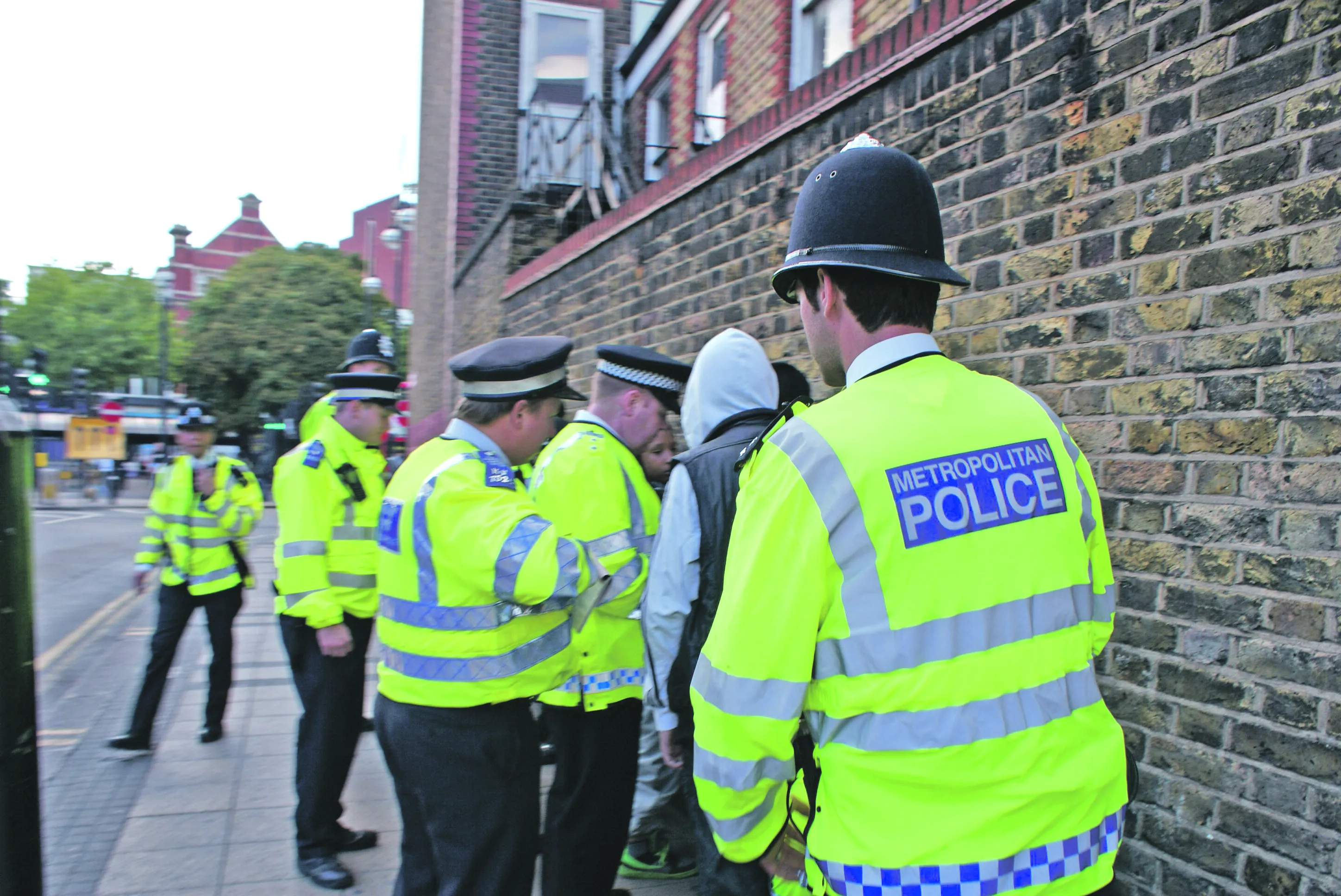
The new proposals in the UK pose the idea of any individual caught with a small amount of recreational drugs for the first time would be given the opportunity to enter a rehabilitation and education programme, and receive no criminal record or jail time if the course is completed, as The Telegraph report.
Related Article: 11 Year Old Seizure Free Thanks To UK Medical Cannabis
"We shouldn't charge someone with a crime for having narcotics in their hands", according to Jason Harwin, a former NPCC employee who is collaborating with the College of Policing on the new plan. To offer them an opportunity to alter their behaviour, they should be diverted to alternative services.
Under "Outcome 22," when "activity to avoid reoffending or change behaviour by addressing the root cause of the offending" had been taken, first-time offenders would get "no further action." This month's Joint Committee on Justice report made the new recommendation to decriminalise drug use and abuse in Ireland. The report acknowledged "the harms associated with pursuing a criminal justice led approach to drug use and misuse" and suggested that a health-led approach "is prioritised in both policy and practice."
The research recommends expanding the Medicinal Cannabis Receive Programme (MCAP) so that more people can access medical cannabis to treat chronic conditions, as well as increasing funding in harm reduction services, such as addiction treatments and social interventions.
Elsewhere, there have been reports of "pink cocaine," a concoction of drugs such as ketamine and MDMA that also contains pink food colouring, spreading throughout Europe. The substance first appeared in late-night club scenes in Colombia and has hit UK shores.
Got a question? Feel free to comment below! We would love to hear from you!
A father of 1, Nelly Drummond (and his dog, Bluey) are High Committee editors who first became interested in cannabis after using CBD to treat anxiety - his passion for writing about cannabis developed quickly from there. Nelly is the founder of UK Canna Club and online forum 'Overgrow The Government' - the latter being dedicated to cannabis activism in the UK. He has extensive knowledge within the industry having managed a brick-and-mortar dispensary in Sussex, UK.